Why Solo Travelers Overpack the Same 3 Items Every Single Trip
Quick Answer: Solo travelers consistently overpack shoes, ‘just in case’ outfits, and backup electronics because traveling alone removes the social check of a travel partner saying ‘you won’t need that.’ Packing against an itinerary instead of a wardrobe fixes it in one trip.
You pack for the trip you’re imagining, not the one you’ll actually take. And with no one else’s suitcase to compare against, there’s nothing stopping the third pair of shoes from sneaking in.
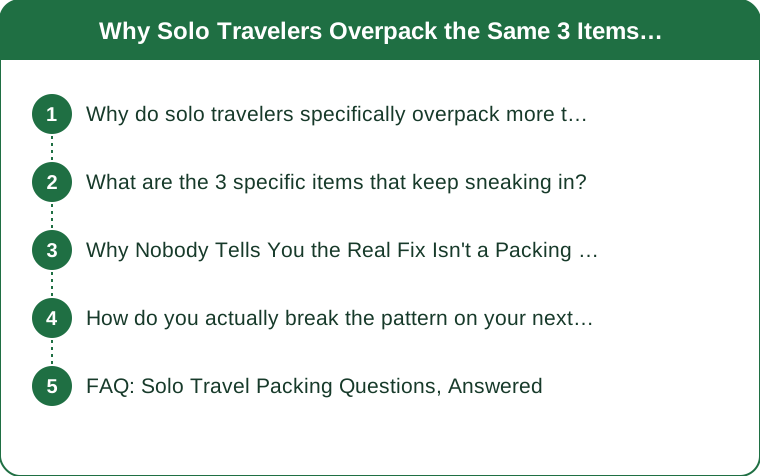
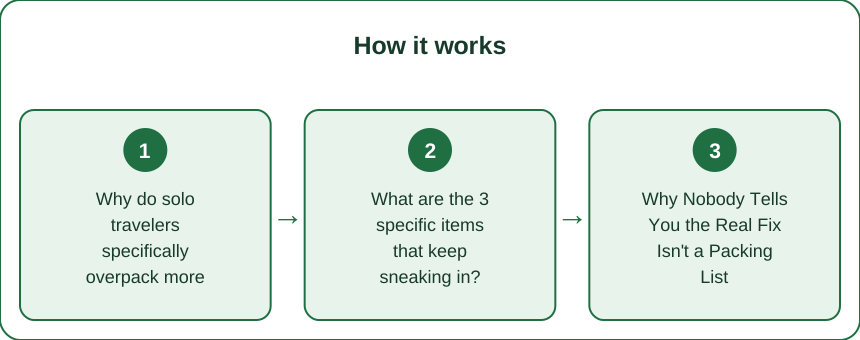
Why do solo travelers specifically overpack more than group travelers?
Traveling with someone else creates a built-in reality check — someone says ‘you’re not wearing heels to a hike’ or ‘we already have a phone charger.’ Traveling solo removes that external filter entirely, so every ‘maybe I’ll need this’ item goes unchallenged.
There’s also a psychological piece: packing extra can feel like padding against the uncertainty of navigating a trip without backup. More stuff feels like more control, even when it isn’t.
What are the 3 specific items that keep sneaking in?
1. A third pair of shoes ‘just in case’ the plan changes. Almost never worn. Two pairs — one walking, one dressier — cover 95% of real itineraries.
2. A full backup outfit for an event that may not happen. The ‘in case there’s a nice dinner’ outfit that sits unworn while you eat at the same casual spot every night.
3. Duplicate electronics — a backup charger, a second power bank, a spare phone cable — packed because you’re alone and can’t borrow a partner’s. Most destinations sell chargers on every corner.
Why Nobody Tells You the Real Fix Isn’t a Packing List
Standard packing lists don’t fix this because the problem isn’t what to pack — it’s the decision-making context. A list still lets you rationalize ‘but what if.’
The actual fix: pack against your confirmed itinerary, item by item, not against a generic wardrobe. If a plan isn’t booked or genuinely likely, the outfit or gear for it doesn’t go in the bag. This removes the ‘just in case’ loophole entirely.
How do you actually break the pattern on your next trip?
Lay out your full itinerary day by day before you pack — even loosely. Then pack one outfit per realistic activity type, not one per day. A 5-day trip with 3 activity types (walking, casual dinner, one nicer outing) needs 3 outfit categories, not 5 separate looks.
For shoes: hard cap at 2 pairs unless a specific planned activity (hiking, formal event) genuinely requires a third.
FAQ: Solo Travel Packing Questions, Answered
Is overpacking actually a safety instinct when traveling alone?
Partly — packing extra can feel like insurance against unpredictability. But the fix for real uncertainty is knowing where to buy things locally, not carrying triple backups.
How do I stop myself mid-pack when I catch the ‘just in case’ urge?
Ask if the scenario is on your actual itinerary. If it’s not booked or clearly likely, the item stays home — this single question catches most overpacking in real time.
Does packing light actually make solo trips easier?
Yes, disproportionately so — with no one to help carry or watch a bag, a lighter pack means more mobility, easier transit changes, and less stress navigating alone.
TL;DR:
- Solo travel removes the social check that normally stops overpacking
- The 3 repeat offenders: extra shoes, a backup ‘just in case’ outfit, and duplicate electronics
- Pack against your real itinerary, not a generic wardrobe
- Cap shoes at 2 pairs and outfits at activity-types, not days
Pack for the trip on your actual itinerary, not the one you’re imagining, and the overpacking pattern breaks on the very next trip.
Keep Reading
This article is for general informational and styling purposes only. Fit, sizing, and product availability may vary.