Why a Solo Trip With Bad Weather Often Goes Better Than You Expect
Quick Answer: Bad weather forces you indoors, and indoor places - cafes, bars, markets, small museums, bookshops - are where solo travellers actually meet people and where the local version of a city exists. Fine weather pushes you toward the outdoor sightseeing circuit, which is the loneliest way to spend a solo day. Plan the trip around a bad-weather day rather than despite one.
You booked the trip, the forecast turned, and it is going to rain for three of your five days.
Every instinct says the trip is diminished.
Ask people about their best solo trips, though, and a surprising number of the stories are set indoors, in bad weather, on a day that was supposed to be something else.
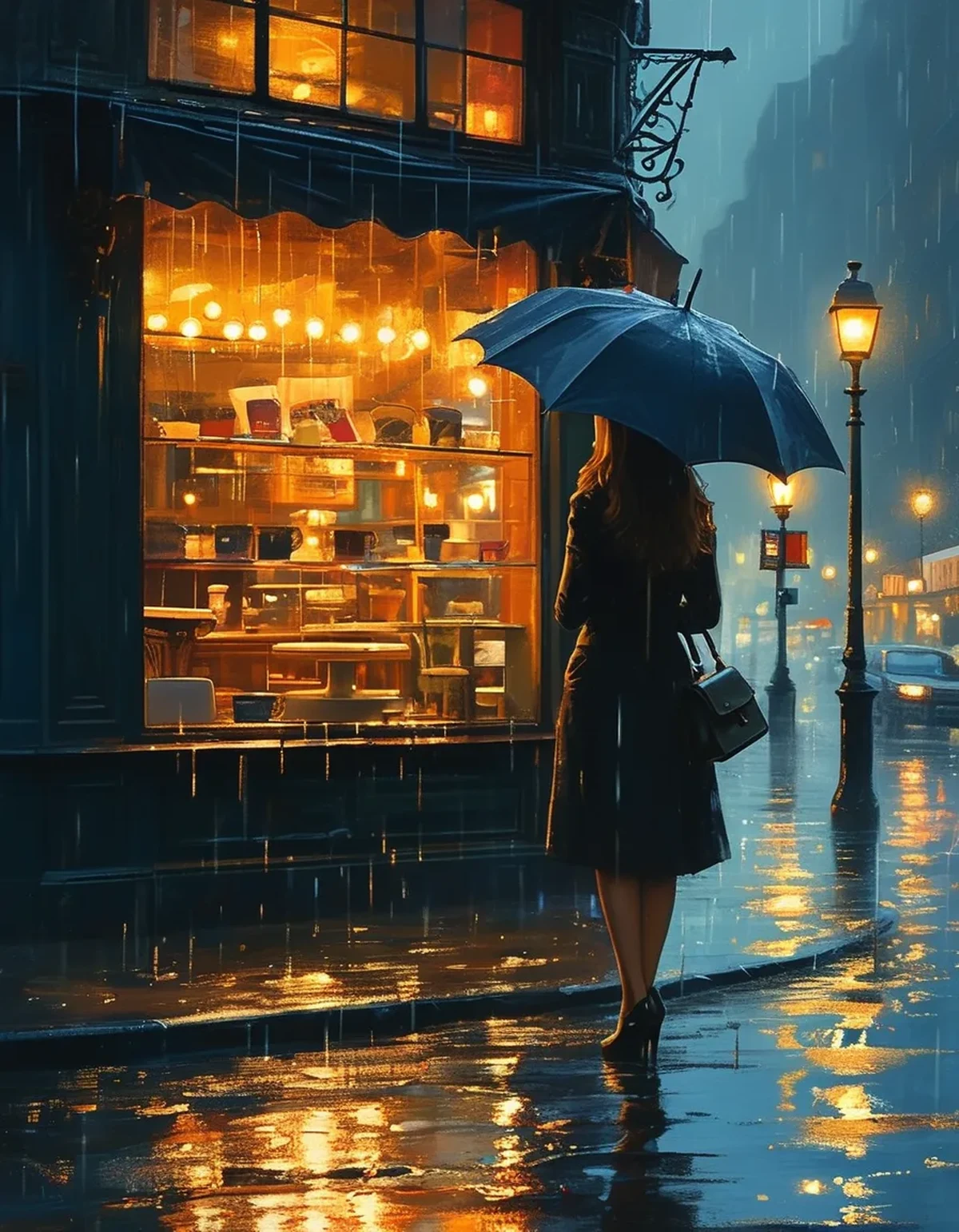
Why does bad weather help a solo trip specifically?
Because it removes the option that makes solo travel feel loneliest.
The default good-weather solo day is the sightseeing circuit: walk between outdoor landmarks, take photographs, eat something quickly, walk to the next one. It is pleasant and it is the most isolating way to spend a day in a city, because every activity in it is done alone, in transit, and in public without interacting with anyone.
Rain closes that circuit. What is left is indoor: cafes, bars, covered markets, small museums, bookshops, galleries, libraries, and public buildings.
Every one of those is a place you sit down in, stay a while, and are in proximity to other people who are also sitting down. That is the entire precondition for a conversation happening, and it does not exist on a walking route between monuments.
Rain also removes the pressure to be efficient, which is the other thing that flattens solo trips. On a fine day there is a nagging sense that you should be seeing things. On a wet one, three hours in a cafe with a book is an obviously correct decision rather than a wasted morning, and three hours in one place is where trips actually become memorable.
What does a good wet day actually look like?
Fewer places, longer in each, and chosen for whether you can stay rather than what is in them.
Pick one anchor and build around it. A market, a large museum, a neighbourhood with covered streets. Somewhere you can spend three or four hours without going back outside, rather than five places with wet walks in between.
Sit at the bar or the counter, not at a table. This is the highest-leverage habit in all of solo travel and rain makes it far easier. A counter seat puts you next to someone and gives the staff a reason to talk to you. A table for one at the back does neither.
Go where locals go on wet days. Every city has an answer to it raining, and it is almost never the tourist attraction. Ask someone. The answer is usually a specific covered market, a bathhouse, a particular cafe, or a whole neighbourhood, and following it puts you somewhere the guidebook version of the city does not go.
Book something with other people in it. A cooking class, a tasting, a walking tour that runs regardless of weather. Wet days are when these are worth the money, and they are far less crowded than the same thing in sunshine.
Eat lunch late and long. A two-hour lunch on a rainy day in an unfamiliar city is one of the genuine pleasures of travelling alone, and it is a thing you will simply not do when it is 75F and sunny outside.
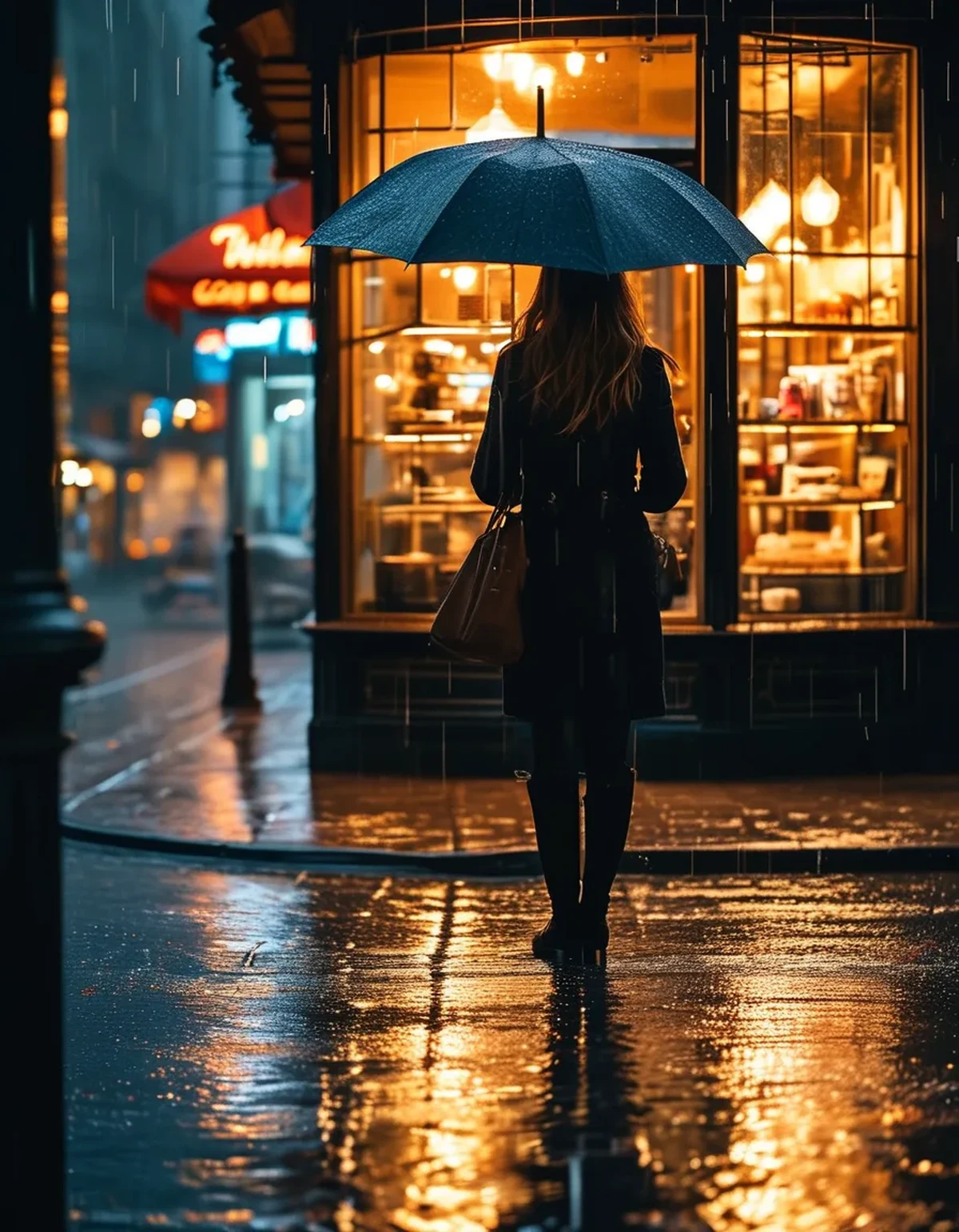
What Nobody Tells You About Travelling Alone in Bad Weather
Museums are better in the rain and worse in the rain at the same time. Everyone has the same idea, so the famous ones are packed. The small specialist ones - the local history museum, the one-artist gallery, the maritime collection - stay quiet, and they are usually more interesting to spend two hours in anyway.
Your accommodation choice matters far more than on a fine-weather trip. A cheap room you only sleep in is fine in July and grim in October. On a trip with rain in the forecast, somewhere with a decent common area or a good cafe downstairs earns its extra cost several times over, and it is where solo travellers actually meet each other.
The gear question is small and decisive. Genuinely waterproof shoes and a real jacket change a wet day from endurance into ordinary. An umbrella is not enough, and being wet-footed at eleven in the morning ends the day. This is the least interesting advice here and the one with the highest return.
Wet evenings start earlier and that is an advantage. Bars and restaurants fill from six rather than nine, which suits a solo traveller much better than a late night does. The window in which walking into a bar alone feels natural is longer on a wet day.
And book a refundable something for the worst day. Not to escape the weather - to have one fixed point. A solo day with nothing in it and rain outside is where the flat feeling comes from, and a single booked thing at two in the afternoon fixes the whole day around it.
How should you plan for it in advance?
Assume one bad day in every four and plan it deliberately rather than treating it as a loss.
Build the list before you go. Three indoor places you would genuinely like to spend hours in, identified in advance. Doing this from a hotel room while it rains is much harder than doing it at home, and the version you find while wet and irritated is worse.
Book the outdoor thing for the good day and keep it flexible. Anything weather-dependent should be the flexible item, not the fixed one, and the fixed one should be indoors. Most people do this backwards and then spend the trip trying to reschedule.
Choose the destination knowing this. Some cities are outstanding in the rain - anywhere with a strong cafe culture, covered markets, thermal baths, or serious museums. Others are almost entirely outdoors. For an autumn or winter solo trip, this should be a real factor in where you go rather than an afterthought.
Pack for the weather rather than for the photographs. The single most common regret on a wet trip is the shoes.
And leave the last day loose. If the weather turns good, you want somewhere to put the outdoor day you did not get. A completely booked itinerary cannot absorb a change in forecast, which is the actual thing that makes bad weather ruin a trip.
The underlying point is that a solo trip goes wrong when the days have no shape, and rain does not cause that - an unplanned wet day does. A planned wet day is frequently the best one.
FAQ: Bad Weather Solo Travel Questions, Answered
Should I change my dates if the forecast is bad?
Rarely worth it. Forecasts more than three or four days out are unreliable enough that you may pay a change fee for the same weather, and shoulder-season travel is cheaper and quieter for exactly this reason.
How do I avoid spending the whole day in my room?
Leave before you decide what to do. The decision made from a warm bed is always to stay; the same decision made from a cafe two streets away is always to carry on. Getting out of the building is the entire battle.
Is it safe to be out alone in a city at night in bad weather?
The usual precautions apply and rain adds two things: fewer people about, and reduced awareness under a hood or umbrella. Stick to busier streets, keep one ear free, and use a taxi or rideshare more readily than you would on a dry night.
TL;DR:
- Rain closes the outdoor sightseeing circuit, which is the loneliest way to spend a solo day.
- Indoor places are where solo travellers actually meet people - sit at the counter, not at a table for one.
- Plan one anchor per wet day, book one fixed thing, and identify three indoor places before you leave home.
- Waterproof shoes are the least interesting and highest-return item you will pack.
Bad weather does not ruin a solo trip. An unplanned bad-weather day does - and the planned version is frequently the day you end up telling people about.
Keep Reading
This article is for general informational and styling purposes only. Fit, sizing, and product availability may vary.