Why the Day You Arrive Is the Worst Day of a Solo Trip
Quick Answer: Arrival day combines maximum depletion with maximum novelty. You are tired from travel, your ordinary structures are gone, you have made hundreds of small decisions, and you have not yet built a single point of familiarity in the new place. That combination reliably produces a flat, anxious hour or two that most people misread as evidence the trip was a mistake. It almost always resolves by the following morning.
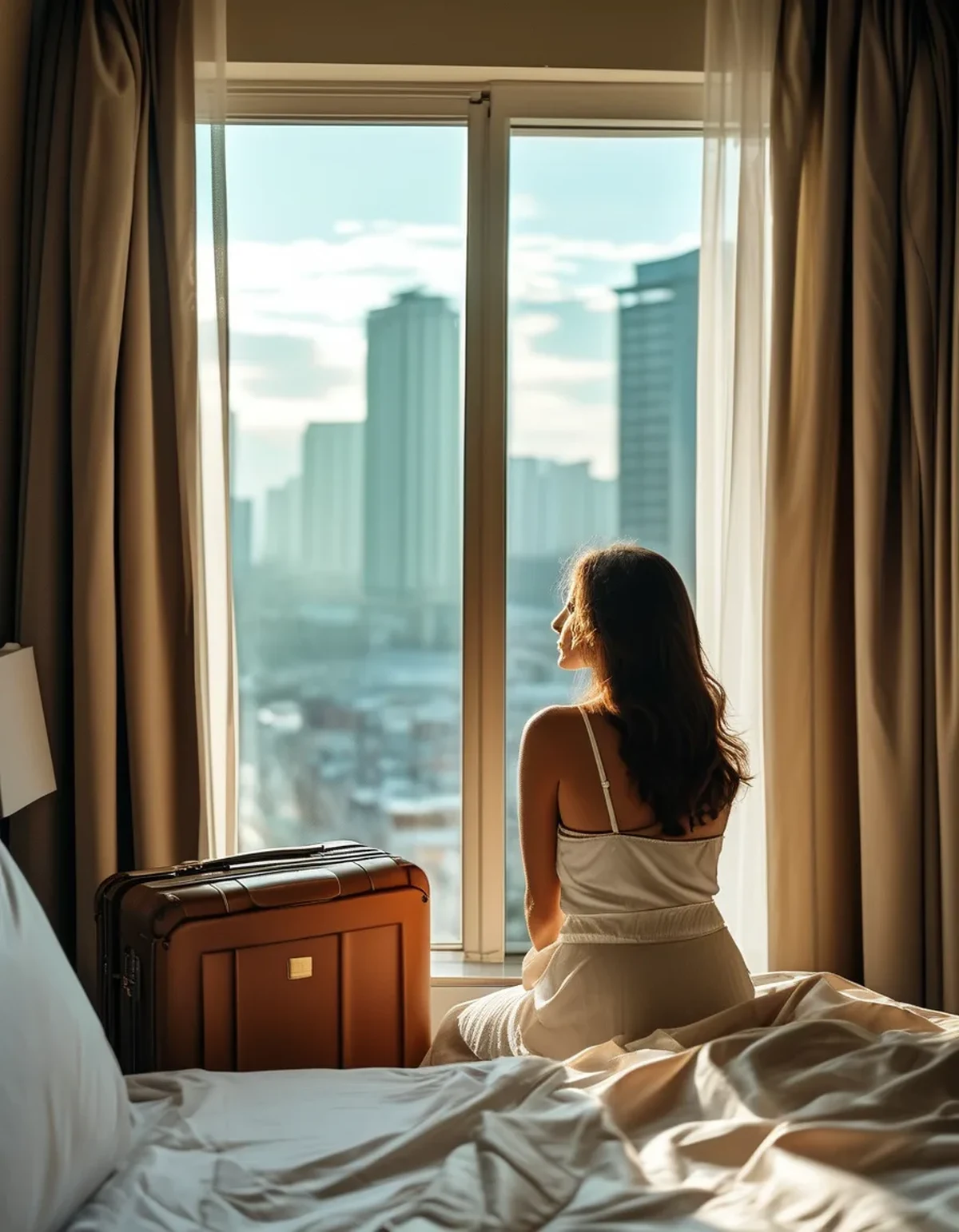
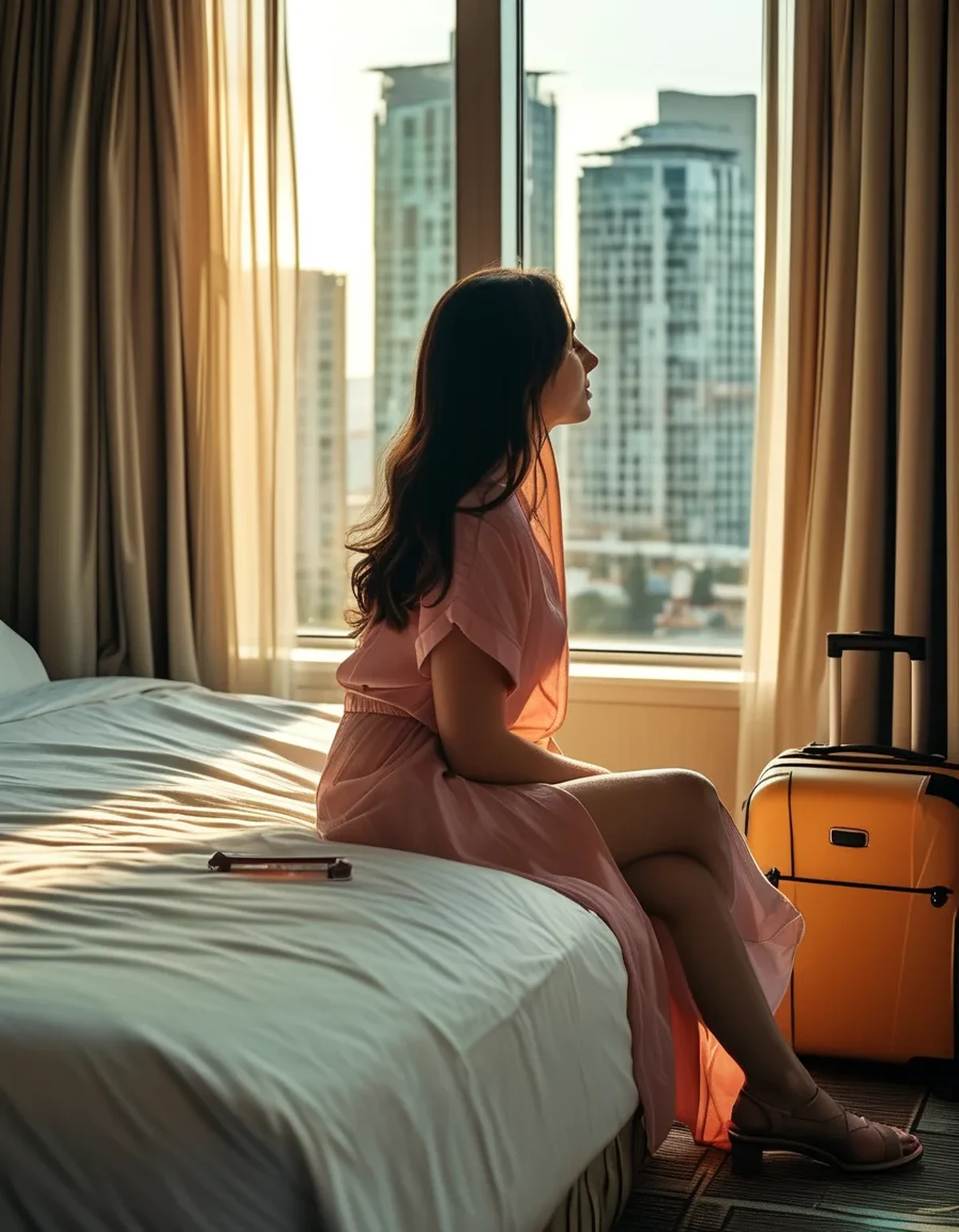
You checked in, sat on the edge of the bed, and thought clearly: what have I done.
This is so nearly universal among solo travellers that it is worth treating as a scheduled event rather than as a warning.
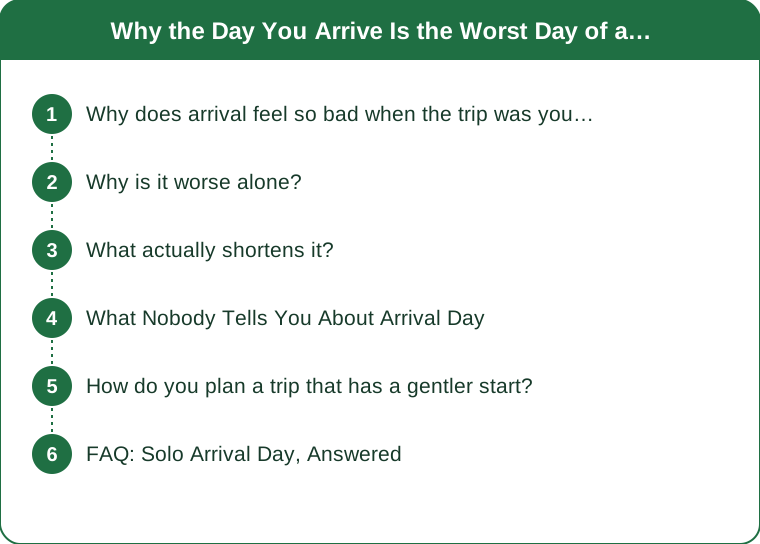
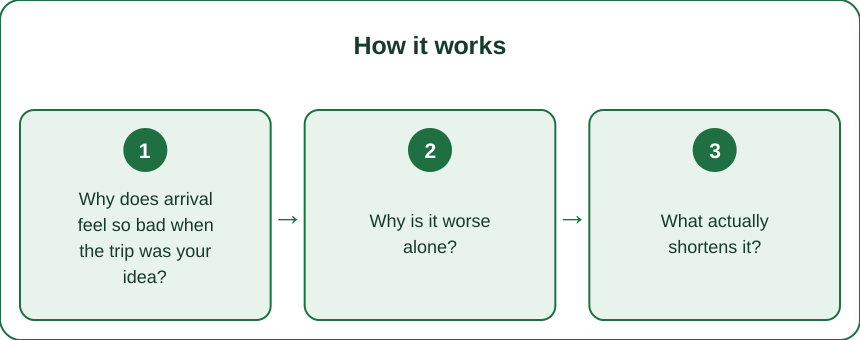
Why does arrival feel so bad when the trip was your idea?
Because three things peak simultaneously and none of them are about whether you want to be there.
Depletion. Travel days involve early starts, poor sleep, dehydration, irregular eating, and hours of low-grade vigilance about documents, connections and belongings. You arrive with almost no reserve, and low reserve amplifies every negative feeling available.
Decision load. From leaving home to arriving in the room, you have made a very large number of small decisions — which queue, which exit, which transport, which direction. Each is minor and the accumulation is genuinely fatiguing. Arrival is the point at which that load has peaked and the reward has not yet arrived.
Zero familiarity. This is the specific one. In your ordinary life you are surrounded by known things: where the shop is, what the walk feels like, who might be around. On arrival you have none. Every single element is novel, and novelty at scale is stimulating when you are rested and overwhelming when you are not.
The result is a very predictable emotional low, usually between arriving and eating. It is not information about the trip. It is information about your current physiological state, and it lifts as that state changes.
Why is it worse alone?
Two reasons, and neither is loneliness in the way people assume.
No shared load. Travelling with someone divides the decisions in half and gives you a second pair of eyes. Alone, every one of them is yours, and there is no interval where someone else handles the map while you switch off.
No external reality check. With company, the arrival low gets spoken aloud and normalised — ‘I’m shattered, shall we just eat?’ — and it dissolves. Alone, the same feeling goes unspoken and grows, and there is nobody to say the obvious thing, which is that you are tired and hungry.
Actual loneliness usually arrives later, if at all — commonly around the second evening, and typically at dinner. Arrival day is not loneliness; it is depletion misread as regret.
This distinction matters because the responses are different. Depletion is fixed by food, water, sleep and one small anchor. Loneliness is addressed by contact and by structure. Applying the loneliness response to a depletion problem — messaging everyone at home, or forcing yourself into a social situation while exhausted — usually makes arrival day worse.
What actually shortens it?
The interventions are all small and physical rather than psychological.
Eat within an hour of arriving. Not a good meal, not a researched restaurant — anything, immediately. A large share of arrival-day misery is straightforward low blood sugar after a day of poor eating.
Do not unpack, plan, or research first. These are the instinctive moves and they are decision-making, which is the resource you have least of.
Walk one loop of the immediate area. Fifteen minutes, no destination. This is the single most effective action available, because it converts pure novelty into a small amount of familiarity. Knowing where the corner is and what the street looks like changes the psychological situation disproportionately.
Buy one thing at the nearest shop. Water, fruit, whatever. It establishes one known place and one completed transaction in the new environment.
Do not schedule anything for arrival day. No tours, no bookings, no ambitious dinner. The most common arrival-day mistake is booking something for the evening you land, which forces you to be functional at the exact moment you are least able to be.
Sleep early and accept that day one is a write-off. It is not lost time; it is the cost of arriving.
What Nobody Tells You About Arrival Day
The moment of walking into the room alone is the sharpest point. Not the airport, not the transfer — the door closing on a silent room with your bag on the floor. Knowing this is coming removes most of its force.
It is worse when the accommodation is nicer. A beautiful room with nobody to say ‘look at this’ to produces a much stronger reaction than a basic one. People are frequently blindsided by feeling worse in the good hotel.
Evening arrivals are considerably harder than morning ones. Arriving at 9pm means going straight from travel into darkness and closed shops, with no opportunity to build familiarity. If you have a choice of flights, an early arrival is worth paying for.
The urge to book a flight home is common and passes. A striking number of solo travellers describe having genuinely researched an earlier return on their first evening. Almost none of them go.
Messaging home can make it worse. A call home while feeling low often deepens the sense of distance rather than relieving it. A short message saying you arrived is fine; a long call at your lowest point frequently is not.
Day two is usually completely different. The transformation between the first evening and the second morning is the most consistently reported experience in solo travel. Same city, same person, entirely different feeling — because you have slept, eaten, and know where one street goes.
Experienced solo travellers still get it. They just recognise it, eat something, and go to bed. The difference is interpretation, not immunity.
How do you plan a trip that has a gentler start?
Structural choices that reduce the severity before you leave.
Book two nights in the first place minimum. Moving on the second morning removes the recovery day entirely and is the most common structural error in solo itineraries.
Choose the first accommodation for location rather than quality. Somewhere central with life outside the door does far more for arrival day than a better room in a quiet area. You need the walk-around loop to have something in it.
Arrive in daylight where possible, and prefer a smaller first stop over a huge city if you have the option. Arriving into an overwhelming metropolis on no sleep is a harder landing than a manageable town.
Pre-book the transfer from the airport. The single highest-friction moment of most trips is the arrival transport negotiation while exhausted and disoriented. Removing that decision is worth the small premium.
Schedule one easy anchor for the morning of day two — a walking tour, a class, a specific café. Something to get up for, requiring no decisions, that puts you among people. This is the item that reliably converts a shaky start into a good trip.
And treat day one as a rest day in the itinerary, not as a bonus day. Trips planned with day one as productive time consistently start badly. Trips that write it off consistently do not.
FAQ: Solo Arrival Day, Answered
Does this go away with experience?
The feeling largely does not; the distress about it does. Experienced solo travellers describe recognising the low as it arrives, identifying it as depletion, and responding with food and an early night rather than with self-examination. That reframe is most of the difference.
What if it does not lift by day two?
Give it until the end of day three before drawing conclusions — jet lag alone can account for that much. If you are still feeling genuinely low after that, structure helps more than sights: book a class, join a group activity, or move to a more social accommodation. Persistent low mood that predates the trip is a different matter and worth talking to someone about at home.
Should I stay in a hostel to avoid feeling alone?
It helps some people considerably and exhausts others. If you find social contact restorative, a sociable hostel on the first night is a good buffer. If you find it draining, forcing it on your most depleted day is counterproductive — a private room and an early night, with social contact scheduled for day two, works better.
TL;DR:
- Arrival day combines depletion, decision fatigue, and total unfamiliarity — it is a physiological low, not a verdict on the trip.
- It is worse alone because nobody shares the decisions and nobody says the obvious thing out loud.
- Eat within an hour, walk one small loop, buy one thing nearby, and do not unpack or plan first.
- Book two nights minimum, arrive in daylight, pre-book the transfer, and schedule nothing for the first evening.
- Day two is almost always transformed — the reliability of that is worth remembering while day one is happening.
The most useful thing anyone can tell a first-time solo traveller is that the terrible hour on the edge of the hotel bed is a scheduled part of the experience rather than a sign of a mistake. Everyone gets it, nobody photographs it, and it ends after a meal and a night’s sleep.
Keep Reading
This article is for general informational and styling purposes only. Fit, sizing, and product availability may vary.