Why Dinner Alone Is the Hardest Part of Solo Travel and How to Make It the Best
Quick Answer: Dinner feels harder than every other solo activity because dinner is the one meal our culture codes as social — lunch alone reads as a busy person, dinner alone triggers the fear of being seen as lonely. The fear is misaimed: research on the spotlight effect shows people dramatically overestimate how much anyone notices them, and restaurant staff overwhelmingly treat solo diners well. The tools are practical, not psychological — bar seating, early reservations, one planned nice dinner treated as an event, and the discovery that the discomfort lives entirely in the first ten minutes.
Nobody is looking at you. They are all managing their own dinners.
Why does dinner feel so different from lunch?
Because the discomfort is cultural scriptwriting, not logistics — which is exactly why it evaporates once you see the script.
Lunch alone is unremarkable everywhere: it reads as a professional between things. Dinner is the meal weddings, dates, and family rituals are built on, so a table for one at 8pm feels like standing outside the story — slower paced, candlelit, surrounded by twos and fours, with nothing to do between courses but exist in public.
Here is what the psychology actually says. The spotlight effect is the robust finding that people overestimate how much others notice them — by a factor of two or more in classic studies. The couple you think is pitying you is deciding whether to order dessert. The table of four is deep in its own drama. In ten days of travel, you will not remember a single other solo diner you saw, which is precisely how memorable you are to everyone else.
And the industry view is the opposite of the fear: servers widely report solo diners are their favorite tables — decisive, pleasant, punctual, and often the most genuinely interested in the food. Many restaurants seat solos at the best counter spots because a happy solo at the bar is great for the room.
The last piece is honest framing about the actual experience: the awkwardness has a shape. It lives in the first ten minutes — the walk in, the just one?, the settling. After that, food arrives, the room absorbs you, and the discomfort has nowhere to live. Knowing the hard part is ten minutes long changes what you are agreeing to when you walk in.
What do experienced solo diners actually do?
They stack the deck before they arrive, and they order like the evening matters.
Sit at the bar or counter. This is the single biggest unlock. Bar seating is built for ones — no empty chair opposite, the bartender as ambient company, the theater of the room in front of you instead of behind you. Chef’s counters are even better: dinner and a show, and the kitchen loves an audience of one who asks questions.
Book early — the 5:30 to 6:30 seating. The room is calmer, the staff has time to be human, walk ins are possible at places that were booked for weeks at 8pm, and you finish with the whole evening still ahead of you instead of walking back at 10:30. Early dinner is the solo traveler’s cheat code in every city.
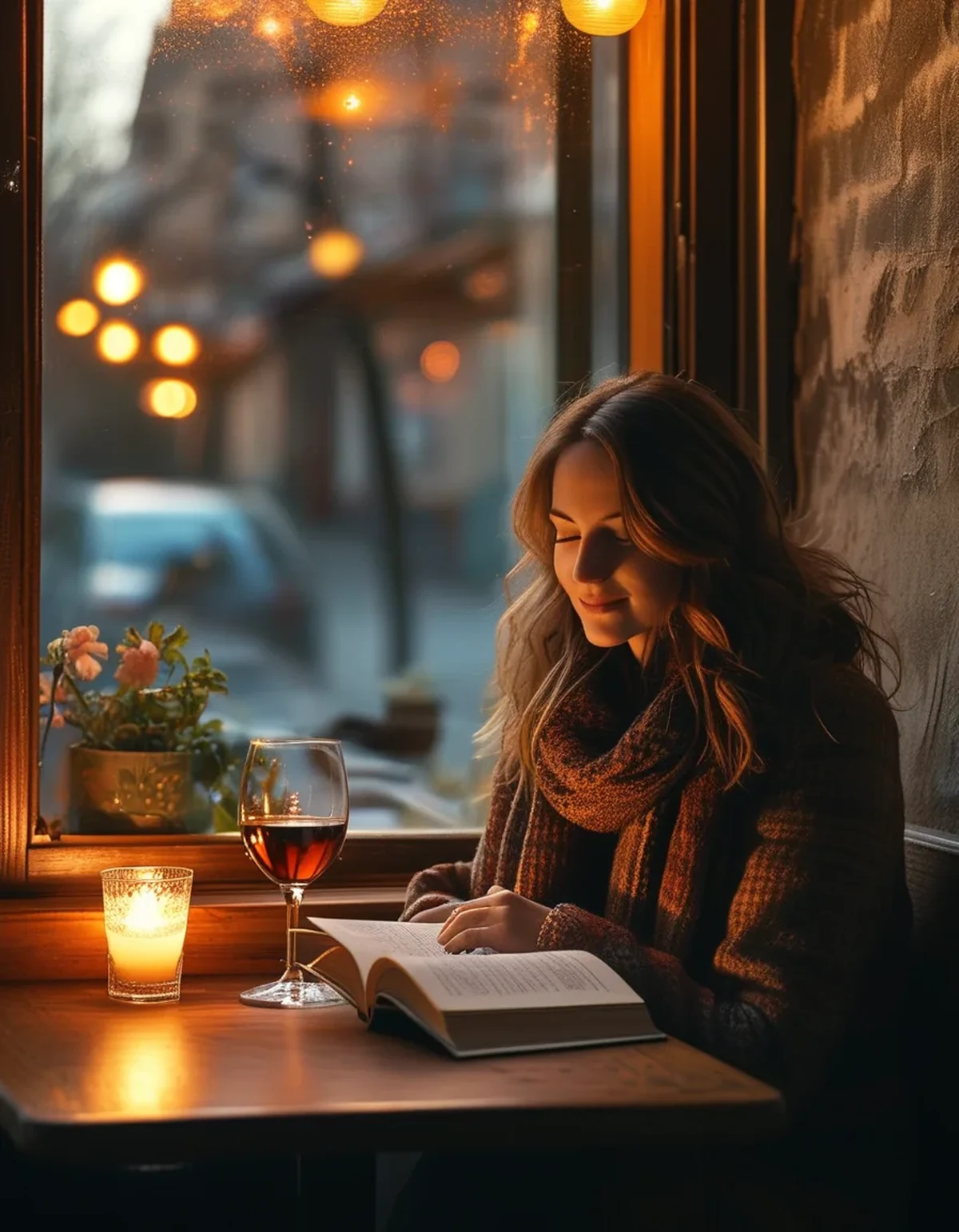
Bring a prop, and choose it deliberately. A book or journal beats the phone — it occupies the hands without sealing you off, invites the occasional conversation, and does not read as hiding. The phone scroll works too; it just tends to fast forward the meal you traveled here to have.
Order like it is an occasion, because it is. Two appetizers and a glass instead of an apologetic main; ask the server what they would order; say yes to dessert. The fastest way to stop feeling like the sad table is to be conspicuously having a better meal than everyone else.
Say table for one like a reservation, not a confession. Staff mirror your framing. Just me tonight, delivered warmly, gets warmth back — and often the good seat by the window.
Plan one dinner per trip as the event. Research it, dress for it, treat it as the destination. One deliberate, excellent solo dinner reframes every casual one after it.
What Nobody Tells You About Solo Dining
The second night is half as hard as the first, and the third is easy. The difficulty curve falls off a cliff once your brain has one piece of evidence that nothing bad happened. Front load the practice early in the trip.
Solo diners often get better treatment. Faster seating, extra tastes from the kitchen, the bartender’s honest recommendations. You are the easiest, most flexible cover in the room and the industry knows it.
The big-lunch flip solves the fanciest problem. In cities where the celebrated restaurants intimidate at dinner, book them at lunch — same kitchen, gentler prices, effortless solo energy — and make dinner the casual counter meal. You eat the trip’s best food with none of the 8pm charge.
Room service once is self care; room service nightly is a pattern. One recovery night is legitimate. But the trips people rave about are built at counters and corner tables, not off trays — and the regret travelers report is almost never I ate out alone too much.
The phone-free first course is a superpower. Try just the first ten minutes unplugged: you notice the room, the pacing, the couple arguing charmingly about the wine list. That noticing is the actual texture of travel.
You become someone people talk to. A solo diner at a bar gets into more conversations in a week than a couple does in a month — bartenders, neighbors, the chef. Half of solo travel’s famous serendipity is really just counter seating doing its work.
Confidence is retroactive. Nobody feels brave walking in. You feel brave afterward, at the gelato place, having done it. The feeling follows the action — every single time.
How do late summer and shoulder season change the game?
They stack the deck further in your favor, which makes the next two months the best solo dining classroom of the year.
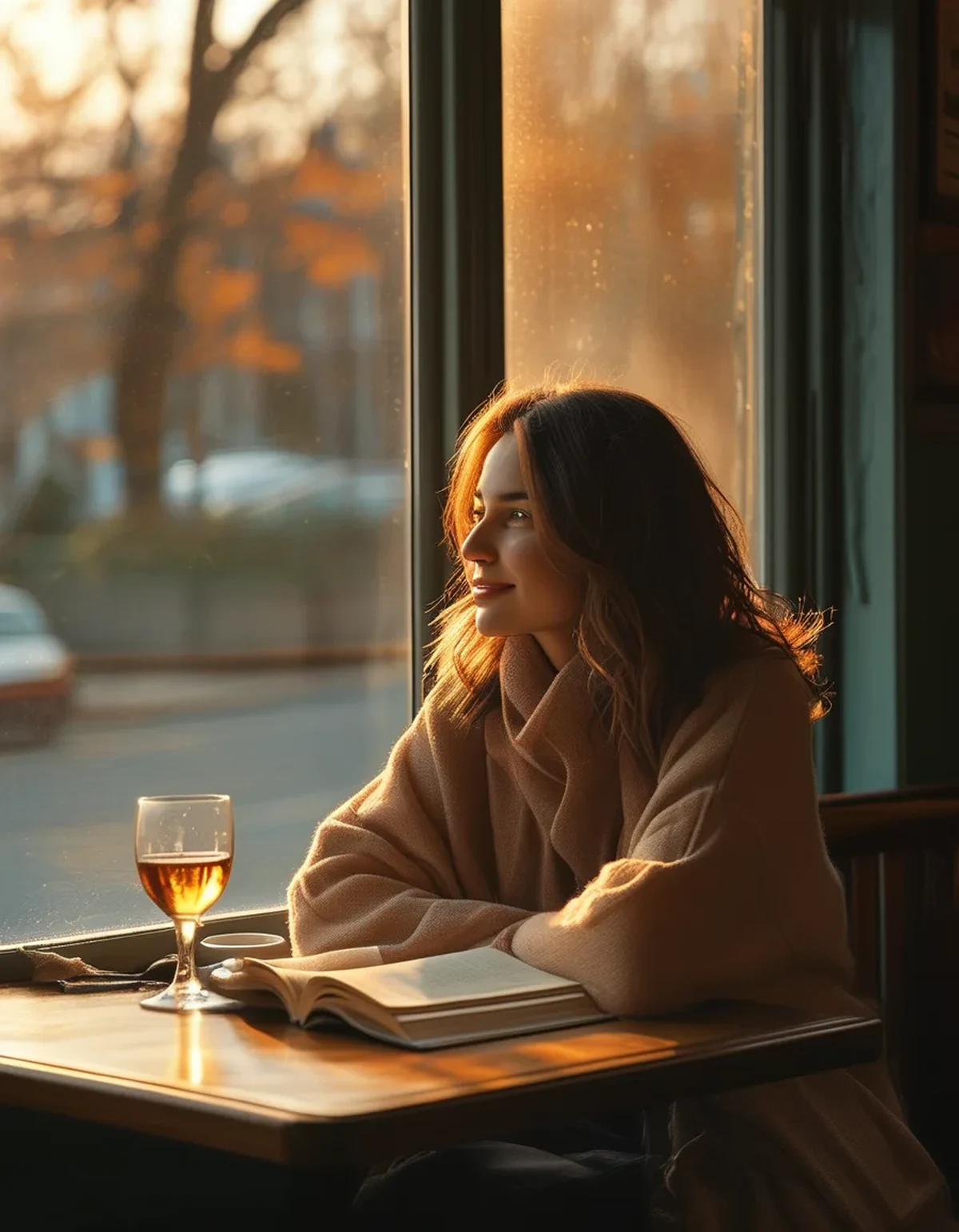
Patio season is still fully on, and outdoor tables are the easiest solo entry there is — open air dilutes the formality, people watching replaces the prop, and a sidewalk table for one at golden hour reads as enviable, not lonely, because it is. If the walk in feels daunting anywhere, start it on a patio this month.
September shoulder season is the solo traveler’s jackpot. Crowds thin, reservations loosen, and the counter seats at the buzzy places suddenly have room at 6:30. Staff have time to chat again after the summer crush, which is when the solo-diner-gets-the-inside-track effect peaks. Cities that were impossible in July become friendly in late September, at meaningful hotel savings too.
The packing math favors one dinner outfit that earns its place. The travel uniform of leggings and sneakers that handled the flight and twelve thousand steps does not have to be the dinner story — one packable dress or a good top over your darkest pair, plus the shoes that survive cobblestones, covers every event dinner of the trip in half a carry on pocket. The rule from experienced packers: the dinner outfit doubles as the nice museum day outfit, or it stays home.
Evenings cool fast in shoulder season, so the patio strategy needs the light layer you almost left behind — the same wrap that fixed the overchilled flight fixes the 8:45 patio.
The standing safety notes stay boring and non negotiable: keep your phone charged and your drink in sight, know your walking route back before the second glass, and tell someone at home the name of the restaurant on nights you go far afield. Confidence is the point; carelessness is not the method.
FAQ: Solo Dining Questions, Answered
What do I say when they ask, just one?
Just me tonight — said like good news. The phrasing you use in the first five seconds sets how the whole interaction runs, and staff overwhelmingly match your energy rather than judge it.
Is the bar always better than a table?
For most solos, most nights, yes — company without commitment. Choose a table when you want quiet or a long unhurried meal, and choose the window table without apology. You are allowed the good seat; you are paying for dinner like everyone else.
How do I handle the wait between ordering and food?
That is prop territory: a few pages, the journal, or honest people watching. It is also the exact window where conversations start at counters. The gap you are dreading is usually eight minutes long.
Is it weird to go somewhere really nice alone?
It is the opposite of weird — tasting menus and chef counters are arguably best experienced solo, with nothing between you and the food. Fine dining staff host solos constantly and tend to treat them as the room’s most serious eaters. Book it as your event dinner and let them.
TL;DR:
- Dinner alone feels exposed because culture codes it as social, but the spotlight effect research is clear: nobody is watching, and staff genuinely like solo diners.
- Stack the deck with bar seating, early reservations, a book instead of a phone, and ordering like the evening is an occasion.
- The discomfort lives in the first ten minutes and halves every night you practice — and one planned event dinner reframes the whole trip.
- Patio season and September shoulder crowds make right now the easiest possible time to learn, with one dinner outfit over your travel leggings covering every occasion.
On your next trip, book the counter seat for night one at 6pm. By night three you will be recommending this to someone at the bar.
See It in Motion
Seen here: High Waist Yoga Leggings with Side Pockets — shop it on bubblelime.com
Keep Reading
This article is for general informational and styling purposes only. Fit, sizing, and product availability may vary.